Your Complete Guide to Casino Gambling for Beginners
Feeling stuck in a boring routine where every day looks the same? Casino gambling injects a jolt of real adrenaline into your evening, turning a handful of chips into a shot at serious cash. You simply choose your game—maybe a fast spin on the slots or a tense hand of blackjack—place a bet, and let chance decide your fate. The immediate rush of a winning payout transforms a quiet night into a pure thrill, making every spin or card flip feel like a personal victory.
Decoding the House Edge in Table Games
Decoding the house edge in table games reveals the mathematical advantage the casino holds over every bet. At its core, this edge is a fixed percentage ensuring the casino profits long-term, regardless of short-term wins. Understanding this allows you to compare games; European roulette’s 2.7% edge is far smaller than American roulette’s 5.26%. In blackjack, optimal basic strategy can shrink the house edge to under 0.5%, while craps offers low-edge bets like the Pass Line. Master these percentages to choose casino gambling battles with better odds, reducing the drag of the built-in mathematical tax on your bankroll.
How Probability Shapes Payouts at Blackjack
At the blackjack table, probability directly dictates payout structures by weighing risk against reward. A natural blackjack (Ace + ten-value card) has a low 4.8% probability of occurring, so casinos pay it at 3:2 to compensate—a shortfall from true odds that builds the house edge. Conversely, insurance bets trigger when the dealer shows an Ace; despite a ~31% probability of the dealer having blackjack, the 2:1 payout mathematically bleeds players over time because the actual odds are worse. This interplay follows a clear sequence:
- Low-probability hands (e.g., natural blackjack) earn higher payouts
- Even-money bets on likely events (e.g., standing on 18) offer minimal reward
- Side bets like «perfect pairs» feature massive payouts but astronomical odds against hitting
Your real edge? Splitting and doubling down when probability tilts your way, flipping the payout math from the casino’s favor.
Roulette’s Hidden Numbers and Zero Slot Impact
In roulette, the «hidden numbers» are not literal but refer to the zero slots (0 and 00), which are visibly present yet often psychologically underestimated by players. The zero slot impact on house edge is immediate and mathematical: on a double-zero wheel, these two pockets alone create a 5.26% house edge, as they are the only non-red-or-black outcomes that cause all outside bets to lose. This effect is masked by the wheel’s layout, where zero slots appear as single options among 38. Players often forget that a winning bet on zero pays only 35-to-1, not the fair 37-to-1 odds of a single-number hit.
Q: How do hidden zero slots alter a roulette strategy’s expected loss?
A: Each zero reduces your potential recovery; on a European wheel (single zero), the edge halves to 2.70%, proving that fewer 0-slots directly improve player odds.
Craps Betting Zones with Best Return Rates
Within the craps layout, the most efficient betting zones for minimizing the house edge are the «Pass Line» and «Come» bets, which carry a house edge of just 1.41%. These zones offer the optimal return for strategic play due to their low vig. To further refine returns, always take full «Odds» behind these bets, as Odds carry zero house edge, effectively diluting the overall vig on your combined wager. Avoid multi-roll proposition bets in the center zone, as they carry house edges from 9% to over 16%, making them the least efficient return zones on the table.
Strategies for Managing Your Bankroll
Mastering your bankroll is the single most critical skill in casino gambling. Always set a strict loss limit before you begin, and treat it as an unbreakable rule. Never chase losses, as this emotional spiral is the fastest way to drain your funds. Instead, divide your total bankroll into smaller session stakes to ensure you can weather inevitable losing streaks. Only wager a small percentage—typically 1-5%—of your session bankroll per bet to extend your play. Knowing when to walk away from a winning streak is just as vital as knowing when to quit when you’re behind. This disciplined approach transforms gambling from a desperate gamble into a calculated, sustainable experience.
Setting Loss Limits Before the First Spin
A fundamental step in managing your bankroll is setting loss limits before the first spin. Decide the maximum amount you are willing to lose in a session and stop playing immediately upon reaching it. This pre-committed cap prevents chasing losses, which often leads to deeper deficits. Separate this limit from your overall session budget, treating it as a hard stop rather than a soft suggestion. Write the figure on paper or set it mentally before activating any game.
Setting a hard, pre-determined loss limit before any play begins transforms a potentially endless session into a finite, controlled gambling experience.
Using Unit Betting to Extend Playtime
Using unit betting to extend playtime is all about turning your bankroll into a predictable number of bets. Instead of risking big chunks, you divide your total money into small, equal units—say $5 each. Every spin or hand costs one unit, so you can count exactly how many rounds you’ll get. If you have 100 units, you know you have 100 chances to win. Losing doesn’t sting as much, and winning feels extra special. Stick to your unit size, no matter what. Here’s a simple sequence to follow:
- Set a total bankroll amount.
- Divide it into 50–100 equal units.
- Bet exactly one unit per round.
- Stop or lower units if you hit a loss limit.
This keeps the fun going longer without blowing your budget.
When to Walk Away from the Felt
Knowing when to walk away from the felt is critical for bankroll survival. Exit immediately after hitting a predetermined profit target or, more commonly, once your loss limit for the session is reached. Never chase losses by staying to recoup them; that emotional decision often leads to a total bust. Similarly, walk away when fatigue or tilt sets in, as impaired judgment leads to reckless bets. A proven method is the “stop-loss” strategy: set a hard cash amount you’re willing to lose before you sit down, and physically leave the table the moment it’s gone. This discipline preserves funds for future sessions.
| Situation | Action at the Felt |
|---|---|
| Reached pre-set profit goal | Cash out and leave immediately |
| Hit session loss limit | Stop betting and walk away |
| Feeling tilted or fatigued | Step back before compounding losses |
| Chasing a previous loss | Forfeit the session to protect bankroll |
Psychology of Risk and Reward
The psychology of risk and reward in casino gambling relies on intermittent reinforcement, where unpredictable wins trigger dopamine release more powerfully than consistent payouts. This variable ratio schedule makes losses feel like near-misses, escalating risk-taking as players chase elusive rewards. The «house edge» ensures long-term loss, yet the brain’s reward system overrides logic, favoring short-term potential over statistical probability. Q: Why do gamblers continue despite losses? A: The brain prioritizes the thrill of uncertain rewards over rational risk assessment, a key cognitive bias. This dynamic explains why slot machines and table games are designed for frequent small wins and dramatic close calls, exploiting the reward pathway’s vulnerability to unpredictable casinous.com outcomes.
The Thrill of Near Misses in Slot Machines
The near miss, where two reels show matching symbols and the third lands just above or below, is a powerful psychological trigger in slot machines. This outcome, though a loss, creates a feeling of almost-winning that the brain processes as closer to success than a complete miss. The heightened dopamine response near misses mimic the neural reward of an actual win, encouraging players to chase the completion. This cognitive distortion makes the loss feel like a learning experience, suggesting the next spin might be lucky. Casinos exploit this by programming near misses more frequently than chance, deliberately manipulating player persistence through a false sense of proximity to the jackpot.
How Lighting and Sound Influence Wagering Behavior
In casino gambling, lighting and sound create a conditioned reward environment that subtly escalates risk-taking. Dim, warm lighting reduces visual distractions and relaxes self-control, encouraging longer play. Simultaneously, rapid, high-frequency sound effects from slot machines trigger dopamine release during near-misses or small wins, reinforcing continued wagering despite losses. This audio-visual pairing follows a clear sequence: first, the ambient lighting lowers psychological inhibitions; second, celebratory sounds from nearby machines create a false impression of frequent success; third, the player’s own machine emits chimes after variable-ratio wins, establishing a unpredictable reward schedule that compels repeated bets. The combined effect masks actual loss rates and sustains engagement.
Compulsive Play Triggers and Cognitive Traps
Casino floors are designed to exploit specific cognitive traps in gambling that trigger compulsive play. The near-miss effect tricks your brain into feeling close to a win, even on a loss, pushing you to spin again. Sunk-cost fallacy makes you chase losses, believing you’ve already invested too much to quit. Visual and auditory rewards, like flashing lights on a slot machine, create compulsive triggers by delivering unpredictable, dopamine-rush feedback. These mental shortcuts override logic, turning a simple bet into a loop of rationalized repetition.
- Near-miss outcomes feel like learning, but they are engineered to keep you playing.
- Dark patterns like «losses disguised as wins» make small losses look like victories.
- Temporal discounting tricks you into valuing an immediate spin over long-term loss.
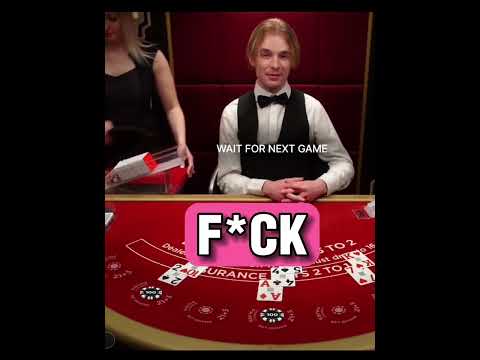
Online Platforms Versus Brick-and-Mortar Venues
Choosing between online platforms and brick-and-mortar venues hinges on friction versus atmosphere. In a physical casino, you feel the weight of chips, the dealer’s pace, and the social pressure of a live table — this tactile reality can sharpen or undermine your discipline. Online platforms remove travel time and offer instant access, but the lack of physical cash exchange and real human cues often erodes loss-limits. The main distinction is control over environment: a brick-and-mortar venue forces you to walk away from the felt, while an online platform lets you reload with a click.
If you struggle to stop, the physical walk to the exit is your best safety net; online spaces remove that barrier entirely.
For practical play, match your session structure to the venue’s natural guardrails.
Virtual Tables with Live Dealers and Real-Time Odds
Virtual tables with live dealer integration replicate the physical casino’s social layer via real-time video streams, yet the odds engine remains fully digital. Unlike a brick-and-mortar pit, where dealers physically shuffle and odds are fixed per shoe, these platforms calculate real-time probability adjustments for every hand or spin, displaying them instantly on a GUI. This creates a hybrid dynamic: the human interaction buffers the machine-like pace, but the underlying RNG or deterministic algorithm controls all payouts independently of dealer action. For the player, this means transparent volatility tracking—knowing exactly how the house edge shifts per beat—without waiting for chip settlements or pit boss approvals.
Mobile Apps for Wagering on the Go
Mobile apps for wagering on the go transform your commute or coffee break into a live casino floor. You spin slots or join blackjack tables from any spot, with touch-optimized controls for quick taps and swipes. Unlike a fixed brick-and-mortar visit, these apps let you chase a jackpot while waiting in line, offering instant deposits and withdrawals via digital wallets. The convenience is unmatched, but you trade the physical chip feel for a screen. Location-free betting timers keep you immersed in the action wherever you roam.
Mobile apps for wagering on the go turn any location into a personal casino, prioritizing speed and portability over the in-person atmosphere of physical venues.
Regulatory Differences Across Jurisdictions

When gambling online, players face jurisdiction-specific wagering limits that can restrict daily deposits or bet sizes, unlike land-based casinos where such caps are often absent. Some regions impose mandatory cool-down periods after losses, enforced through digital account settings, a rule rarely applied in physical venues. Tax obligations on winnings also vary by jurisdiction, with some requiring immediate reporting while others defer collection until cash-out. Additionally, age verification processes differ; online platforms may accept digital ID scans, whereas brick-and-mortar venues rely on physical checks. These divergences mean a player’s rights and obligations shift entirely based on their logged location.

Game-Specific Tips for Newcomers
When you first sit at a blackjack table, the dealer sees your hesitation. Start by learning basic strategy—a chart that tells you exactly when to hit, stand, or double down based on your hand and the dealer’s upcard—to cut the house edge to under 1%. For slots, always check the paytable first: a machine with high RTP slots (over 96%) gives you better odds over time. Craps looks chaotic, but stick to Pass Line bets with odds; they’re beginner-friendly table games with the lowest house advantage. Avoid prop bets on the felt until you understand the math. Watching a few rounds before playing, and setting a strict loss limit, turns a dizzying floor into a place where you control your choices.
Poker Variants That Reward Reading Opponents
Among casino poker variants, reading opponent tendencies is most rewarded in limit Hold’em and fixed-limit Omaha. These games cap betting per round, forcing you to infer hand strength from subtle bet-sizing and timing tells. In no-limit variants, bluffs and all-ins often override behavioral cues. For newcomers, focusing on limit games builds this skill with lower financial risk. Q: Which variant most punishes players who ignore opponent patterns? A: Fixed-limit Omaha, because its small bet increments amplify the value of accurate reads over several streets, making misreads costly through repeated small losses.
Baccarat’s Simple Bet on Banker or Player
For newcomers, baccarat’s core appeal lies in choosing only between the Banker or Player hand. Statistically, the Banker bet holds a lower house edge (around 1.06%) and wins slightly more often, making it the consistently smarter play. You bet before cards are dealt and simply watch; no decisions affect the outcome. This pure, binary choice means you bypass complex strategy. Always favor the Banker bet for better odds. Avoid the Tie bet entirely due to its punishing house advantage. Focus on banker consistency over patterns or streaks to maximize your session.
| Bet Option | House Edge | Recommended for Newcomers |
|---|---|---|
| Banker | ~1.06% | Yes – superior odds |
| Player | ~1.24% | Secondary option |
Video Poker Machines with Optimal Pay Tables
When you’re new to casino floors, seek out video poker machines with an optimal pay table, as this directly impacts your odds. Unlike slots, these machines let you influence the outcome through strategy. Full-pay Deuces Wild is a prime example to memorize. Always check the pay table on the screen before playing; a small reduction in a flush or full house payout drastically hurts your return. Stick to games like 9/6 Jacks or Better, where the «9» and «6» refer to the full house and flush payouts.
- Look for machines listed as «9/6 Jacks or Better» for a classic, high-return game.
- Avoid «short-pay» versions like 8/5 or 7/5, which significantly lower your expected value.
- Always use the maximum coins (usually 5) to qualify for the royal flush bonus, which is essential on optimal tables.
Bonuses, Rewards, and Loyalty Programs
The first time you cash out with a bonus, it feels like beating the system—but that free spin often comes with a wagering anchor that turns your win into a locked cage. My old poker buddy, Jake, jumped on a 200% match bonus and spent three days grinding penny slots, watching his $50 bonus dwindle through 40x playthrough. Loyalty programs are different: they reward your actual play over time, not just your deposit. Earning comp points for a free steak dinner after a bad session makes the sting of loss fading. Tier-based VIP clubs protect high rollers from those same wagering chains, offering cashback instead of play-locked chips. Smart gamblers never touch a bonus without reading the fine print—but they always swipe that loyalty card.
Sign-Up Offers with Clear Wagering Requirements
When evaluating sign-up offers, prioritize those with clear wagering requirements to avoid hidden costs. Typically, a stated multiplier (e.g., 30x) applies to the bonus amount or bonus-plus-deposit. First, check the contribution rate of slots versus table games, as this dictates effective playthrough. Some offers require you to wager the deposit before the bonus activates, a nuance often overlooked. To maximize value, follow this sequence:
- Identify the exact wagering multiplier and qualifying games.
- Calculate required turnover: bonus × multiplier (e.g., $100 × 30 = $3,000).
- Confirm the maximum bet allowed during playthrough to avoid voiding the offer.
Only proceed once all terms are explicit in the promotion’s terms.
Cashback Deals That Soften Losses
Cashback deals directly refund a percentage of net losses over a specific period, typically weekly or monthly. Unlike match bonuses, they do not require a deposit to activate; the refund is credited automatically as bonus funds or cash. This structure lowers the effective house edge on subsequent play, allowing you to rationalize continued wagering after a losing session. The key is to calculate the cashback rate against your average loss expectancy—higher percentages with no wagering requirements offer the most practical value. Loss-recovery cashback incentives reduce variance risk by cushioning the financial impact of cold streaks, making them a strategic tool for managing bankroll drawdowns.

Cashback deals refund a portion of net losses, directly reducing the sting of downswings and giving you a second chance to recoup funds with less personal risk.
VIP Tiers Unlocking Exclusive Perks
VIP tiers function as a structured progression where higher play volume unlocks progressively superior perks. Typically, entry into a loyalty program begins at a base level, with escalating wagering thresholds determining advancement. As players ascend through tiers like Silver, Gold, or Platinum, they sequentially unlock enhanced benefits.
- Initial tiers offer modest cashback or free spins.
- Mid tiers provide expedited withdrawals and personal account managers.
- Elite tiers grant access to exclusive tournaments, luxury gifts, and bespoke travel packages, with specific bonuses tied directly to tier status rather than general promotions.
The mechanics ensure that only consistent, high-value play triggers these curated rewards, differentiating them from standard deposit bonuses.